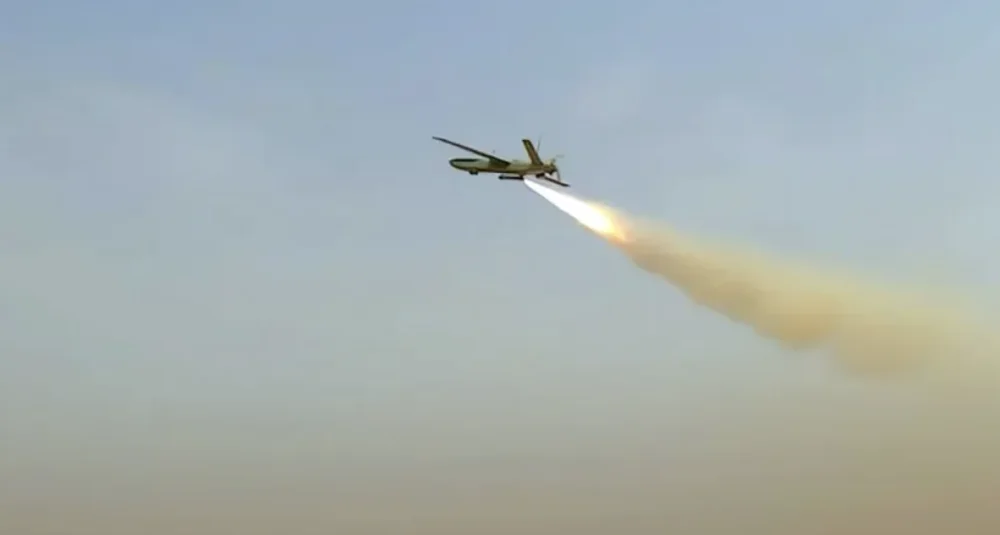
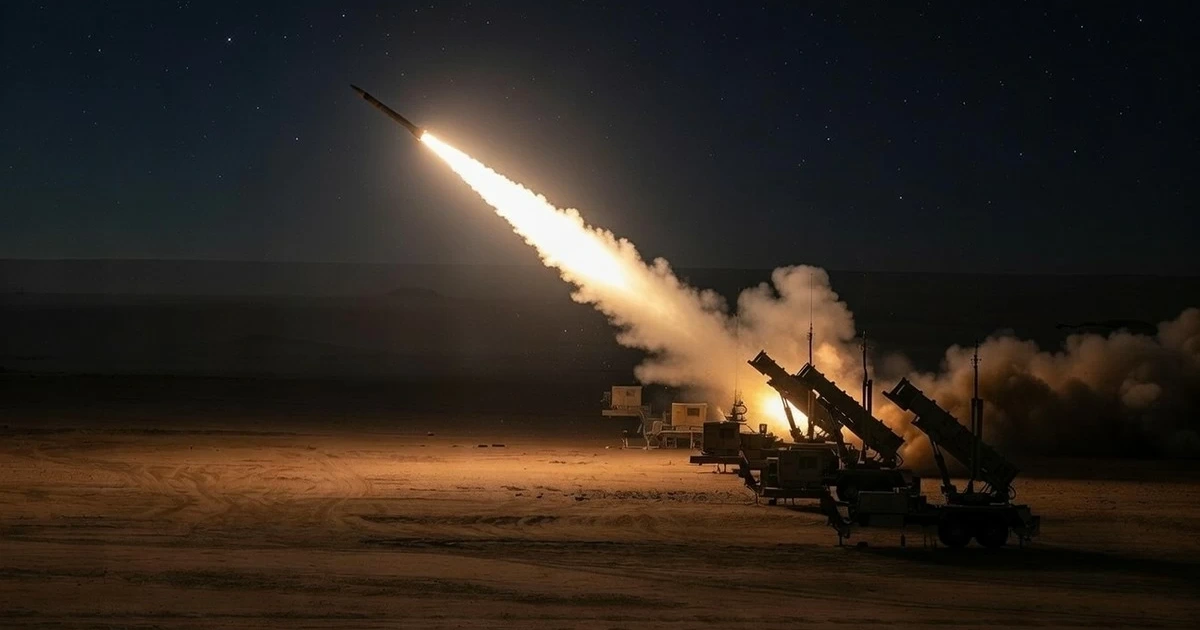
Several threats of ballistic missiles were detected and responded to by the air defense systems in Kuwait today, which illustrates the increasing influence of the current war between Iran, Israel, and the United States in the Middle East.
6 Ballistic Missiles Detected in Kuwaiti Airspace
First reports indicated that Kuwait’s defense systems detected six incoming ballistic missiles. Military forces were also put on high alert, and interception measures were executed to avoid any form of destruction and loss of life. The observation indicates the ongoing growth of missile operations beyond main war zones as Gulf states are getting direct or indirect threats.
Regional War Driving Increased Missile Movements
The current crisis began on February 28, 2026, when coordinated military actions by the United States and Israel targeted Iranian facilities. In response, Iran launched waves of missiles and drones across the region, including attacks aimed at military bases and strategic locations in Gulf countries. The presence of foreign military installations has had a greater impact on Kuwait, whose country could have been targeted during retaliatory attacks.
Air Defense Systems Under Constant Pressure
In the Middle East, missile defense systems are being put to the test like never before. The last few weeks have witnessed massive missile and drone attacks on several nations, whereby they have to engage in constant interceptions and immediate military action. Previously in the war, Kuwait had documented dozens of ballistic missiles, hundreds of drones, and demonstrated that attacks were fierce and air defense had a prominent role in reducing the harm.
Situation Remains Highly Volatile
It is an unstable situation as well, with military operations and unpredictable diplomatic results. The tension, which is still increasing, is putting a strain on the global energy markets, regional security, and international relations. Governments in Kuwait and the rest of the region are still on the alert over the conflict as it does not yet portray any signs of de-escalation.
For more timely coverage and regional developments, follow arab updates.