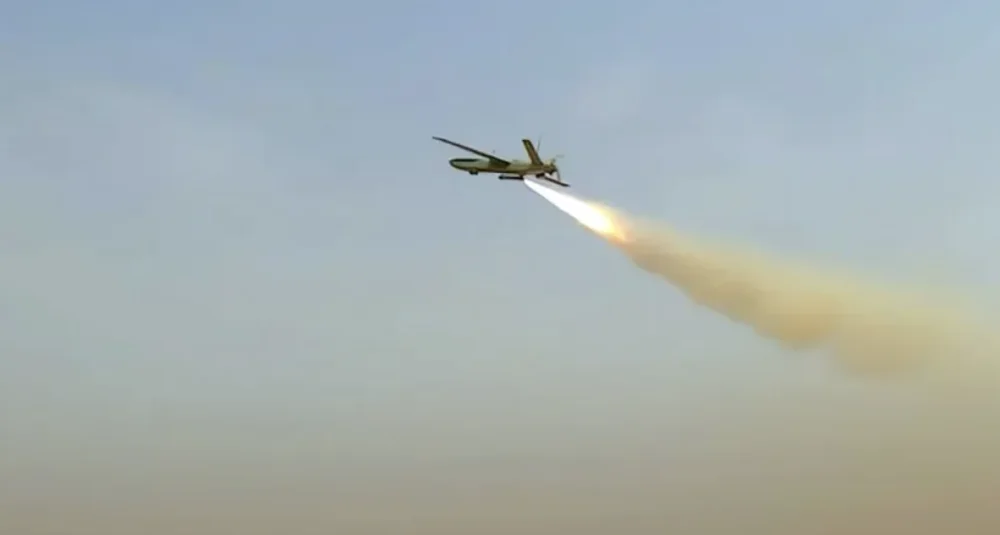
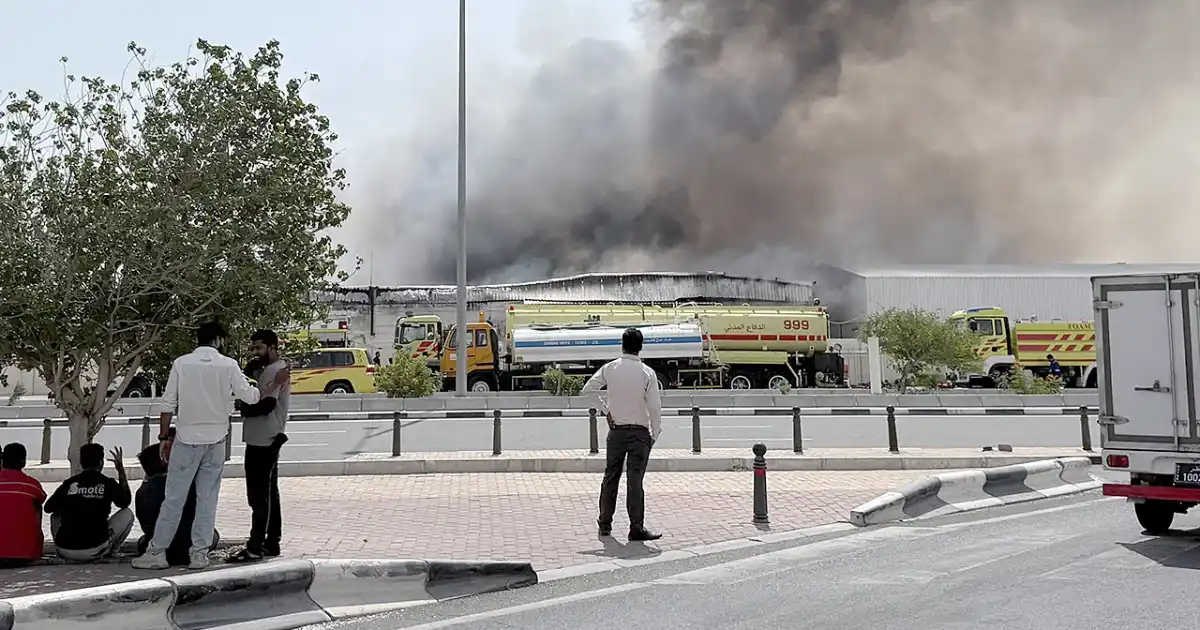
QatarEnergy confirmed on 19 March 2026 that its major liquefied natural gas (LNG) plants were struck by a series of missiles. The fires caused massive destruction in the important energy infrastructure due to the strikes. It is regarded as one of the worst assaults on the energy sector in Qatar in recent years.
Location of the Attack
The attacks were directed at Ras Laffan Industrial City, where the production of LNG is concentrated in Qatar. This is also among the biggest gas processing facilities in the world and contributes significantly to the provision of natural gas to the world markets. During the strikes, several plants in the industrial area were used.
Extent of the Damage
According to the officials, the missile attacks led to:
- Structural damage to important production facilities
- Fire across many LNG processing units
- Additional destruction to areas previously affected by earlier strikes
Fire teams were dispatched as fast as possible to put the fires under control and evaluate the situation. The damage was reported to be widespread, though no casualties were reported immediately.
Connection to the Ongoing Conflict
The attack is linked to the escalating conflict between Iran, Israel, and the United States. This has been compounded by the recent attacks on the major energy infrastructure in the region, which resulted in retaliatory measures. The tension has been on the rise with the energy facilities becoming targets more often.
Regional Response
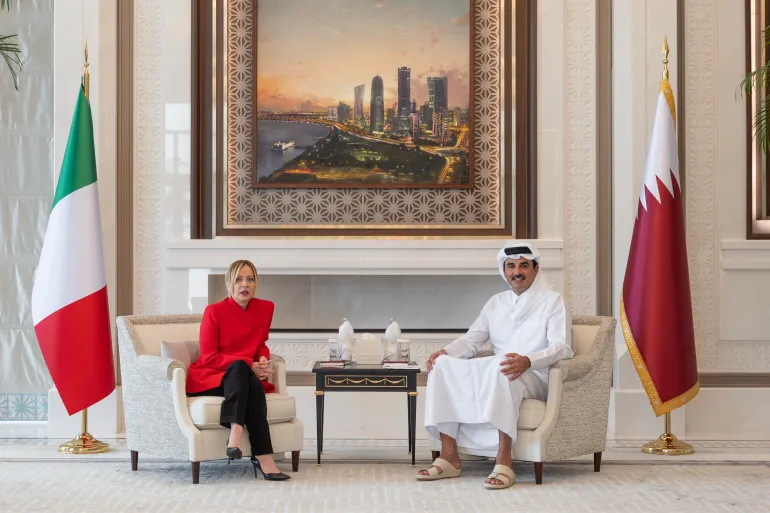
Qatar strongly condemned the missile attacks and termed them a grave infringement of its sovereignty. The nation has also heightened security in facilities of importance and is collaborating well with other nations in order to tame the situation.
Ending
The missile attacks on QatarEnergy’s facilities mark a major escalation in the regional conflict. The situation is now poses risks not only to the regional stability but also to world energy markets due to its focus on critical energy infrastructure. As tensions continue to rise, the situation poses serious risks to both regional stability and international energy markets, making it essential to stay informed through reliable platforms like arab updates for ongoing developments and deeper insights into the crisis.