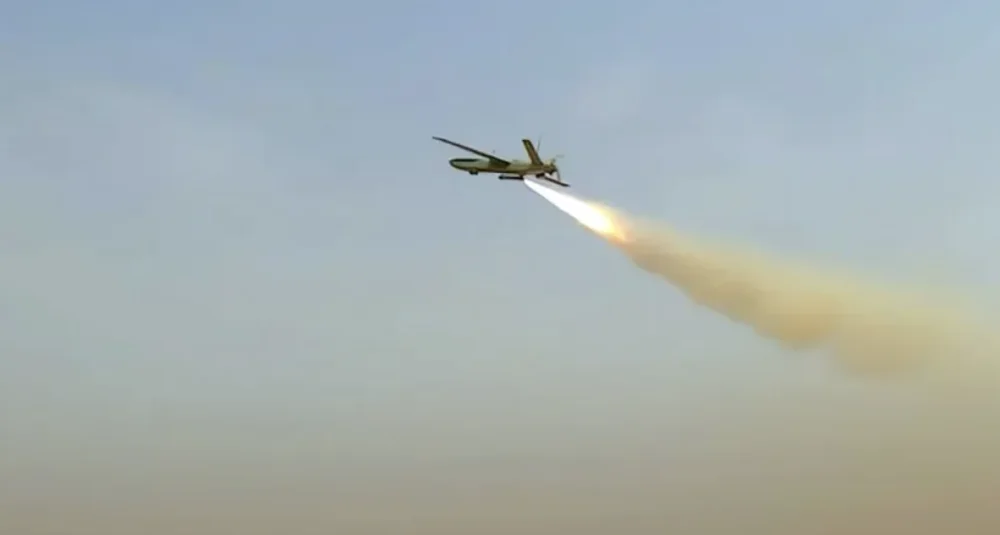
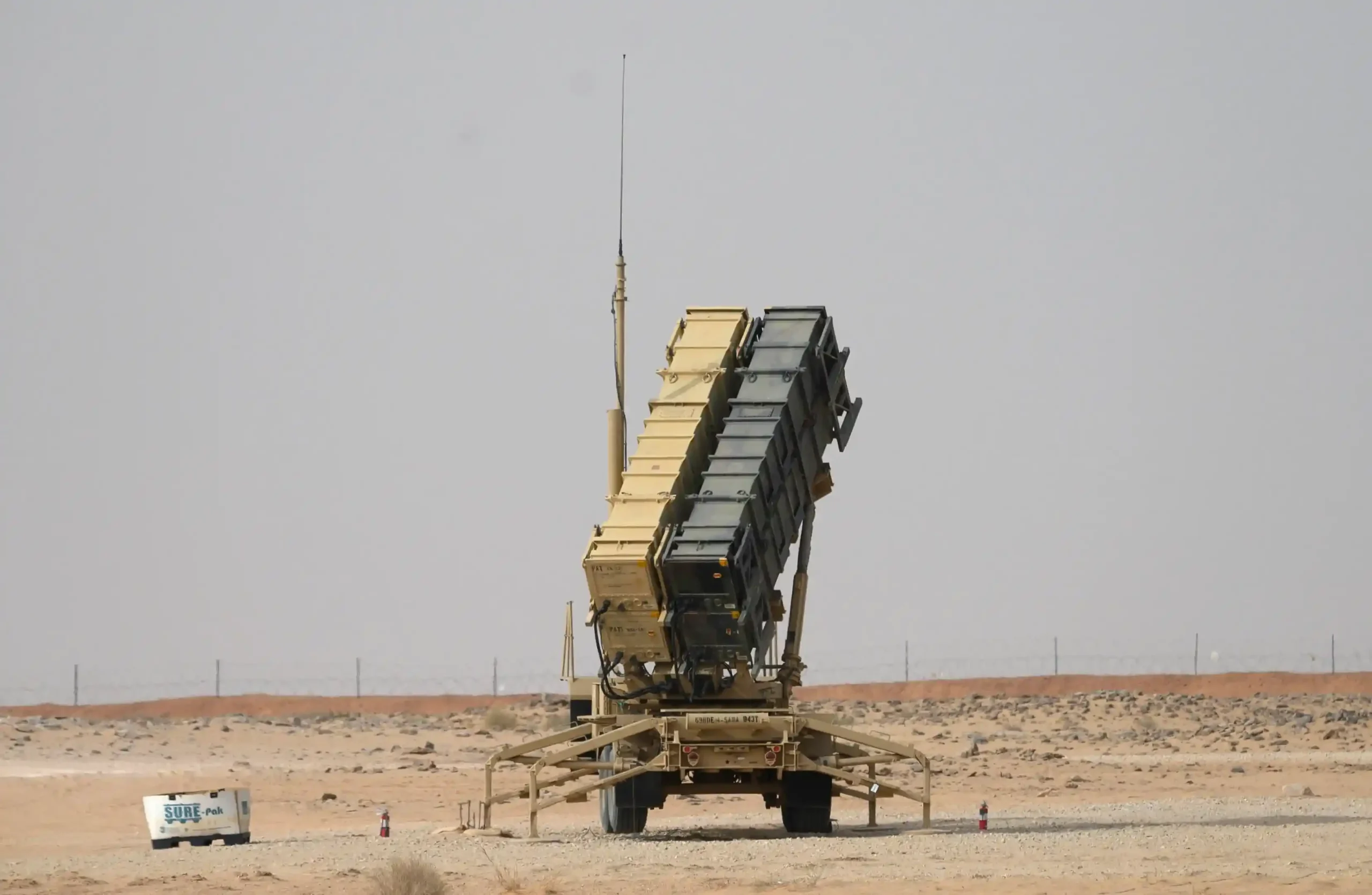
The air defense systems of Saudi Arabia were activated after reports of aerial threats approaching the capital, Riyadh, and some areas of the Eastern Region. At the start, the threats were a mixture of omni-missiles and unmanned aerial vehicles (drones), and immediate defensive measures were taken.
Officials reported that interception operations of this kind were effective and did not cause damage to the key infrastructure and population. There have not been any reported deaths or significant damage.
Rapid Military Response
Saudi defense forces acted fast after receiving the incoming objects. The air defense forces installed interception systems aimed at countering both ballistic and low-flying drones. The exercise underscores the fact that the Kingdom still invests in layered air defense systems, which are designed to counter a variety of air attacks at the same time. These systems have the tendency to collect, monitor, and intercept such threats prior to them reaching their targets.
Regional Security Context
The event occurs in the context of increased tension in the Middle East connected with the continuous conflict relations between Iran, Israel, and the United States. Escalation time periods in the region have traditionally posed a greater threat of indirect attacks and proxy-related events against the Gulf countries.
This is not the first time Saudi Arabia has had to confront similar threats when the region underwent instability, especially through missile and drone attacks on economic and strategic targets.
Impact on Civilian Areas
Although the situation was serious, there were early signs that normal business in Riyadh and the Eastern Region carried on with little disturbance. The government regularly sends warning signals in this case, asking its citizens to stay at home and heed the government. Such defense operations are also typical of airspace surveillance and short-term restrictions to provide civilian protection.
Government Position and Security
To secure its national security and stability, Saudi officials normally reiterate the commitment. The level of defense preparedness is also high, particularly when the region is experiencing tension. According to the security analysts, such cases usually result in greater surveillance, enhanced cooperation with allied defense systems, and re-evaluation of threat preparedness.
Broader Implications
Such an event is indicative of the weak security situation in the area. Even smaller-scale aerial dangers have broader consequences on energy markets, international relations, and regional stability.
For more regional developments and ongoing coverage, follow arab updates