
Introduction
One of the biggest archaeological finds in Saudi Arabia has shown the remains of an ancient human settlement that was constructed about 13,500 years ago. The discovery is aiding scientists to gain more insight into the way early humans lived and survived in the Arabian Peninsula many years prior to modern civilization.
Location of the Discovery
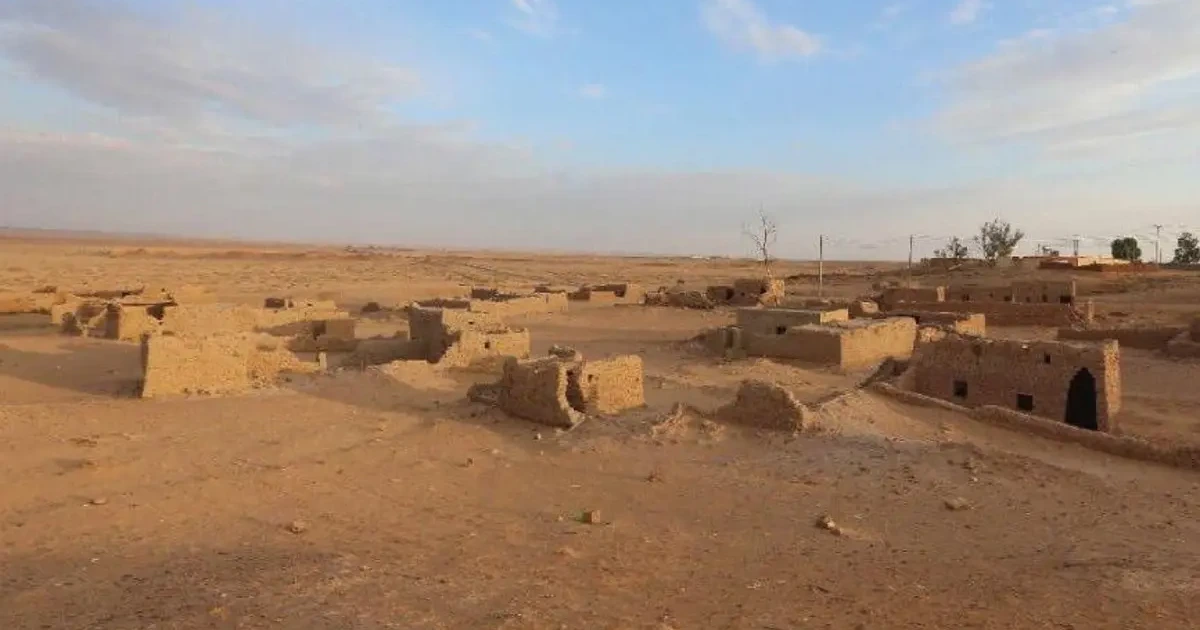
The settlement was discovered in the north-west of Saudi Arabia, which is currently largely desert. Nevertheless, professionals think that thousands of years ago, the climate in this area was more suitable with water resources and vegetation that provided human beings.
Age and Historical Importance
It is estimated to be around 13,500 years old, and the location was around the time when the human race was starting to abandon their purely nomadic lifestyle to more established ways of living. This renders it one of the most ancient human settlements in the area.
Structures and Living Patterns
Remains of stone-constructed buildings were uncovered by the archaeologists, which indicated that people did not live in a nomadic way but managed to lead an organized lifestyle. They could have been used to shelter, store, and perform daily tasks, which implies the early settlement planning.
Tools and Daily Life
At the site, different tools were found, such as stone tools that were utilized in hunting and food preparation. Such products like grinding stones indicate that early humans had to process food, whereas other products indicate the primitive level of craftsmanship and survival needs.
Social and Cultural Insights
Human and animal remains were also discovered, and they provided insights into the ways people were burying and how they were socializing. The findings suggest that early communities may have had cultural traditions and organized social systems.
Broader Significance
This finding brings out the significance of the Arabian Peninsula in early human history. It indicates that it was not only a migration route, but also a home where people lived, evolved and formed early communities in the region.
Conclusion
The settlement of 13,500 years ago gives important information about the evolution of humans and their lives in severe conditions. The current research is likely to reveal even more regarding the way ancient individuals lived and created settlements in the locations now known as deserts.
For readers interested in staying informed about similar archaeological discoveries and regional developments, following reliable news platforms can provide valuable insights into ongoing research and historical findings across the Middle East. Keeping up with such updates helps build a deeper understanding of how ancient civilizations evolved, and platforms like arabupdates regularly highlight important stories that connect the past with present-day knowledge.