Riyadh — A strong Iranian missile and drone attack on Prince Sultan air base has dealt a serious blow to U.S. military capabilities in the region, destroying and damaging some of the most critical Air Force assets based in Saudi Arabia.
High-Value U.S. Aircraft Hit
According to defense reports, the attack targeted some of the key U.S. Air Force platforms, including:
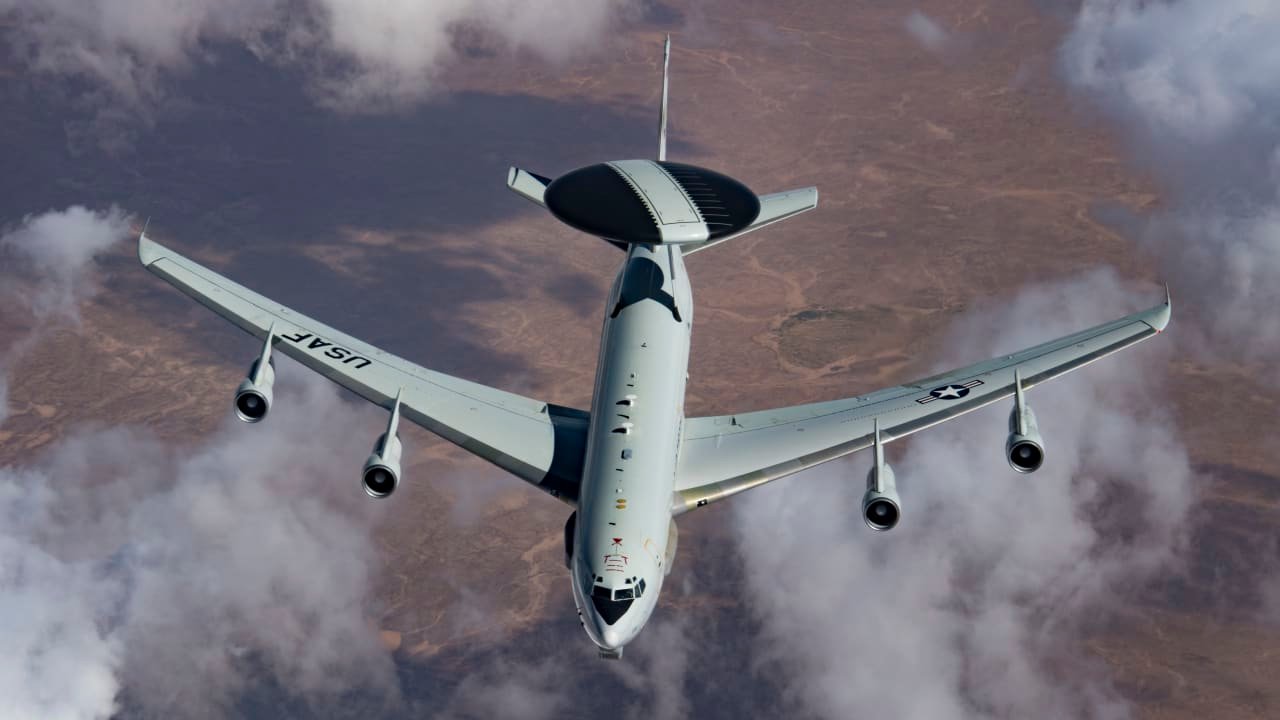
An E-3 Sentry AWACS surveillance plane
Several KC-135 refueling tankers
The E-3 Sentry (sometimes referred to as the “eye in the sky”) is an extremely important asset in airborne surveillance and command operations. Its destruction would be a huge loss to US battlefield awareness and coordination.
Coordinated Missile and Drone Attack
The strike, which was conducted with a mix of ballistic missiles and attack drones, struck the base in the early hours of the morning, catching critical infrastructure and planes on the ground.
U.S. officials confirmed that:
More than 10 American troops were injured, some seriously
A number of aircraft damaged or destroyed
This is one of the most destructive single attacks on US forces in Saudi Arabia in the ongoing conflict.
Strategic Effect on US Operations.
The destruction of refueling aircraft and surveillance systems could:
Limit the long-range air operations
Reduce real-time intelligence in the field of battle
Slow down cohesive military responses
Experts warn that such strikes are meant to do more than just damage, however – to disrupt operational dominance in the skies.
Escalation in the Iran War
The attack is part of an overall wave of Iranian retribution throughout the region, which is aimed at U.S. military installations and allied infrastructure.
With repeated attacks on bases in Saudi Arabia and elsewhere, the war is fast turning into a multi-front regional crisis with fears of escalating to involve more countries.
Rising Risk for Gulf Region
The strike suggests a grim reality: Even strongly defended installations such as Prince Sultan Air Base are no longer totally secure.
For Gulf nations, this means:
Increasing military vulnerability
Increased Threat to Critical Infrastructure
Continued disruptions to air space and travel
What Happens Next?
With tensions rising, analysts think more strikes are likely. The issue now becomes how the United States and its allies react – either by escalation, defense reinforcement, or renewed diplomatic efforts.
One thing is clear – the battlefield has been changed by this attack, critical weaknesses have been exposed, and the stakes have been raised throughout the Middle East.