Global tensions have increased due to the ongoing conflict involving the United States, Israel, and Iran. A major focus of this situation is the Strait of Hormuz, one of the world’s most important oil transit routes. Around 20% of the global oil supply passes through this narrow waterway, making it highly important for international energy markets. In recent days, shipping activity in the region has declined due to rising security threats, attacks on vessels, and fears of further escalation.
Trump’s Statement on the Strait of Hormuz
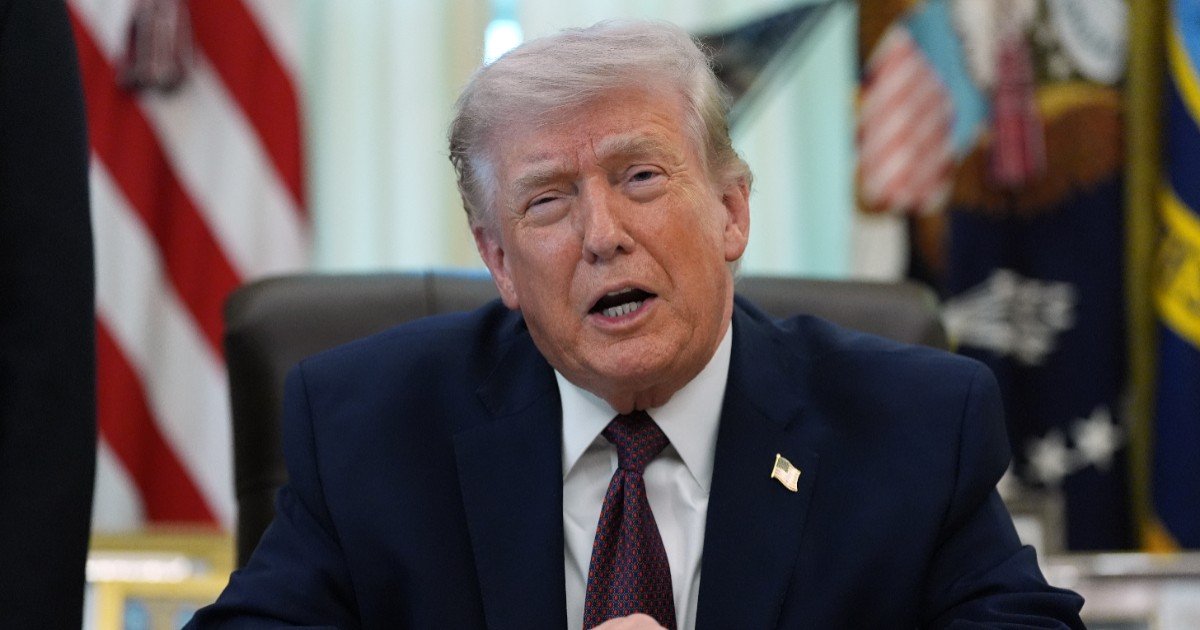
U.S. President Donald Trump made a strong and controversial statement, saying that countries relying on oil from the region should “just take” the Strait of Hormuz themselves rather than rely on the United States.
He criticized allied nations such as the United Kingdom and France, suggesting they have not provided enough support in recent military actions. Trump indicated that these countries should either buy oil from the United States or take independent steps to secure access to the strait. He also warned that the U.S. may reduce or withdraw military protection for nations that do not contribute to such efforts.
Connection to Ongoing Conflict
The statement comes during heightened tensions with Iran, where the Strait of Hormuz remains a key strategic location. Iran has previously threatened to block the waterway, which would disrupt global oil shipments and affect international markets. The situation has become more serious following recent U.S. and Israeli strikes on Iranian targets, which increased the risk of retaliation and instability in the region.
Global Reaction and Strategic Concerns
Many countries have shown hesitation in joining U.S.-led efforts to secure the strait. Earlier attempts to form a multinational coalition received limited support, as several nations remain cautious about becoming directly involved in the conflict. Experts warn that any military action in the Strait of Hormuz could lead to serious consequences, including disruption of oil supplies, rising fuel prices, and wider geopolitical tensions.
Economic Impact on Global Markets
The situation has already started to impact global markets. Oil prices have increased due to supply concerns and uncertainty in the region. Rising energy costs are also affecting transportation and industries worldwide.
Trump’s remarks suggest a shift in policy, placing more responsibility on other countries to protect their own energy routes. As the situation continues to develop, platforms like Arab Updates are helping audiences stay informed about regional tensions and their global impact. However, this approach raises concerns about international cooperation, regional stability, and the future of global energy security.