US-Iran-Israel War Day 40: Oman to Charge Fee on Strait of Hormuz Trump Ceasefire, UAE says it won Emerged Victorious.
Day 40 of the US-Iran-Israel war has seen a significant diplomatic breakthrough with a two-week ceasefire declared by former US President Donald Trump seemingly holding. This truce preceded a new deadline of escalation and has provided the region with a brief yet significant opportunity of peace negotiations.
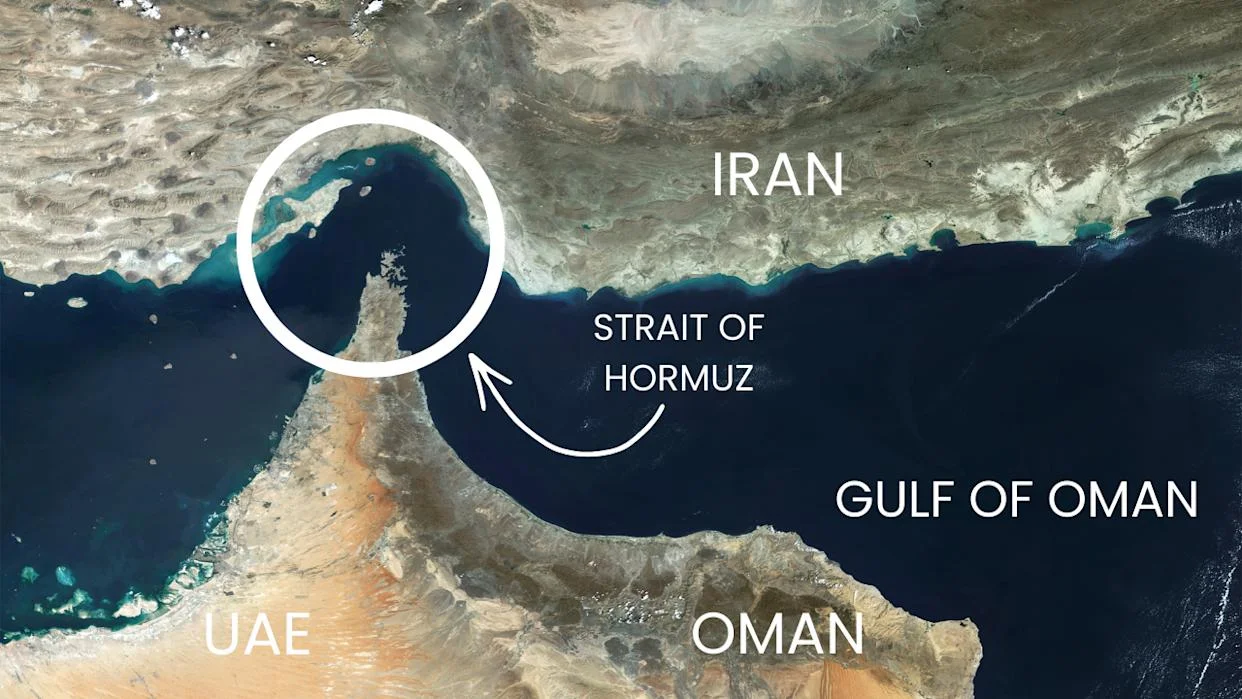
The most important development has been the reopening of Strait of Hormuz, the most vital oil shipping route in the world. Iran and Oman can now receive the transit fees on the ships that will pass through the strait under the conditions of the ceasefire. The revenue is reported to be able to be utilized in reconstruction and security management after weeks of high intensity and devastation. This is a significant change because previously ships used to pass through the route without paying tolls.
The Strait of Hormuz is very critical since almost one-fifth of daily oil supply of the world flows through it. Hundreds of oil tankers were prevented to enter ports during the war, and it became a serious issue in the world energy markets. The fact that the route has reopened under the ceasefire has seen oil prices beginning to relax, though traders are very skeptical of the duration of the truce.
The UAE has been responding fiercely to the new developments as well. Top officials claimed the nation has won the battle against a war it attempted to escape, referring to the endurance of Gulf states, when targeted by numerous missiles and drones. The UAE emphasized that stability of the region, secure sea passes and enhanced diplomatic assurances should be a primary focus in any long-lasting resolution.
The situation is still not stable, even after the ceasefire. Israel has not stopped military activities in Lebanon and Gulf countries are still evaluating damages of drones and missile attacks in the course of war. Even as the terms of ceasefire were being finalized, Kuwait and the UAE both claimed attacks on infrastructure, energy facilities and desalination facilities.
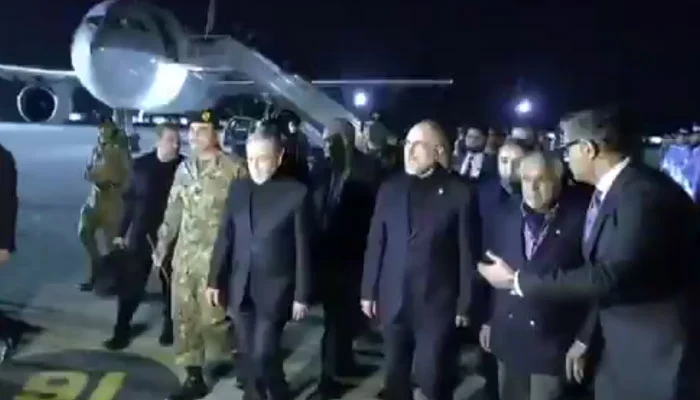
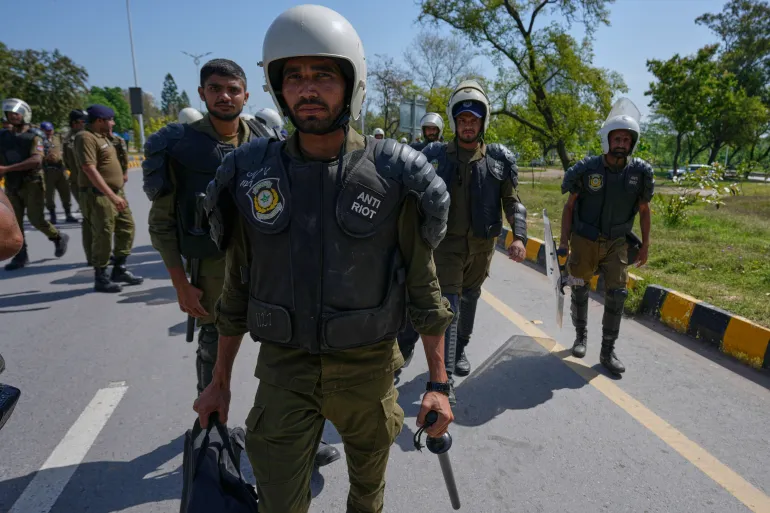
Negotiations are set to commence shortly in Islamabad where negotiators will discuss sanctions, maritime guidelines, missile boundaries and guarantees on Gulf security in the future. Analysts believe the coming two weeks will be pivotal ones, as they can determine whether the region will be on the path to sustainable diplomacy or the region will be heading back into war.
As of now, the reopening of Hormuz and the new fee position of Oman are being regarded as the most significant economic effects of Day 40, as Gulf countries keep urging to have a more robust and stable regional security system.