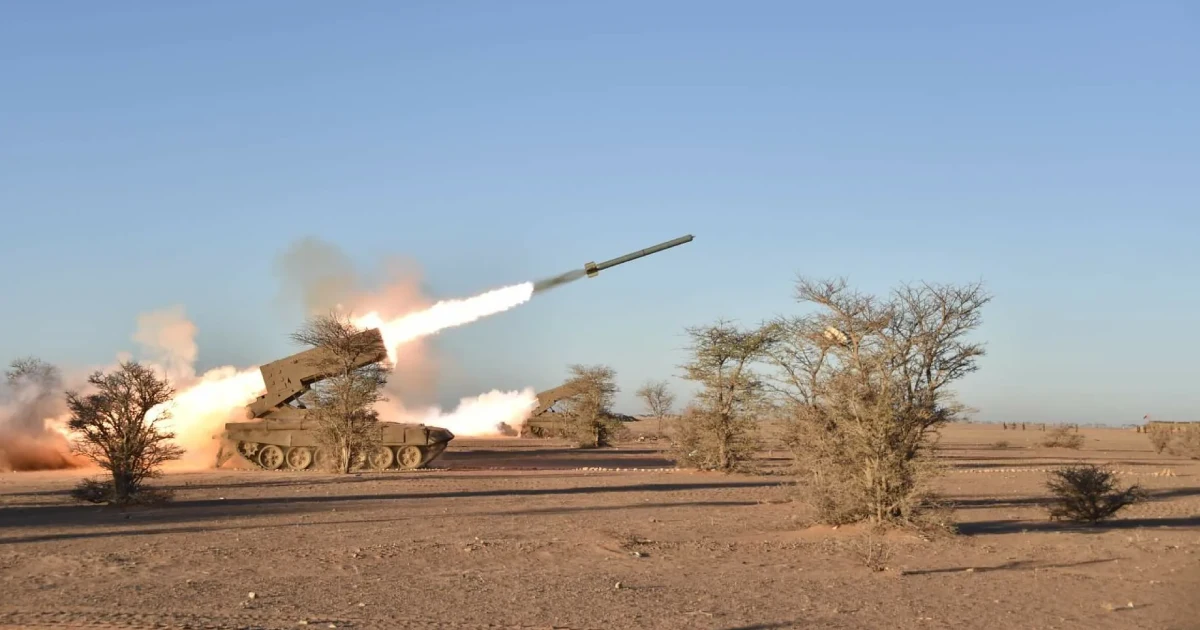
The air defense system of Saudi Arabia has allegedly been activated due to an air threat in the Eastern Region of the nation, where there is a strategic energy infrastructure. As alleged, several incoming projectiles, such as ballistic missiles and unmanned aerial vehicles (drones), were detected and intercepted before hitting their designated targets.
The government did not disclose complete operation specifics, but according to regular defense protocols, there were rapid-response interception systems, which were put in place to curb the threat in the air.
Strategic Importance of the Eastern Region
The Eastern Region is extremely crucial to Saudi Arabia because of its oil facilities, export terminals, and industrial areas. Even a strike against this region will cause concern as to energy security and stability in the world economy. Historically, conflicts have been fought in such areas because of their economic and geopolitical potential, and they have been targeted as areas to have extensive air defense cover.
Air Defense Capabilities and Response
Saudi Arabia maintains a layered air defence system designed to detect, track, and intercept any air threats. These systems are generally characterized by radar networks, missile interception platforms, and coordinated command centers.
In both cases, with long-range interceptors and drones, defense forces tend to use a mixture of long-range interception systems and short-range ones to deal with the various types of threats that may occur at once.
Regional Tensions and Security Context
The involved incident is reported at a time when the situation in the Middle East has become more tense, as due to the geopolitical conflicts that have persisted, there is also an increased threat of cross-border attacks. As observed by military analysts, this has resulted in the introduction of missile and drone warfare in the region, particularly of the non-traditional and asymmetric approach. These developments have brought up the issue of escalation and the possibility of larger-scale regional instability.
Impact and Precautionary Measures
There are no confirmed reports of casualties or damage that have emerged from the incident. In such cases, law enforcers usually make precautionary checks and keep a higher level of watch to stop follow-up attacks.
Security measures around key infrastructure are typically heightened, and coordination with allied defense systems may be strengthened.
Conclusion
While details remain limited, the reported interception highlights the ongoing challenges faced by nations in defending against evolving aerial threats. With the ongoing build-up of tension in the region, the issue of strong defense preparedness is a top priority towards achieving national and economic security.
For more updates and simplified breakdowns of global developments, follow Arab Updates for reliable and easy-to-understand news coverage