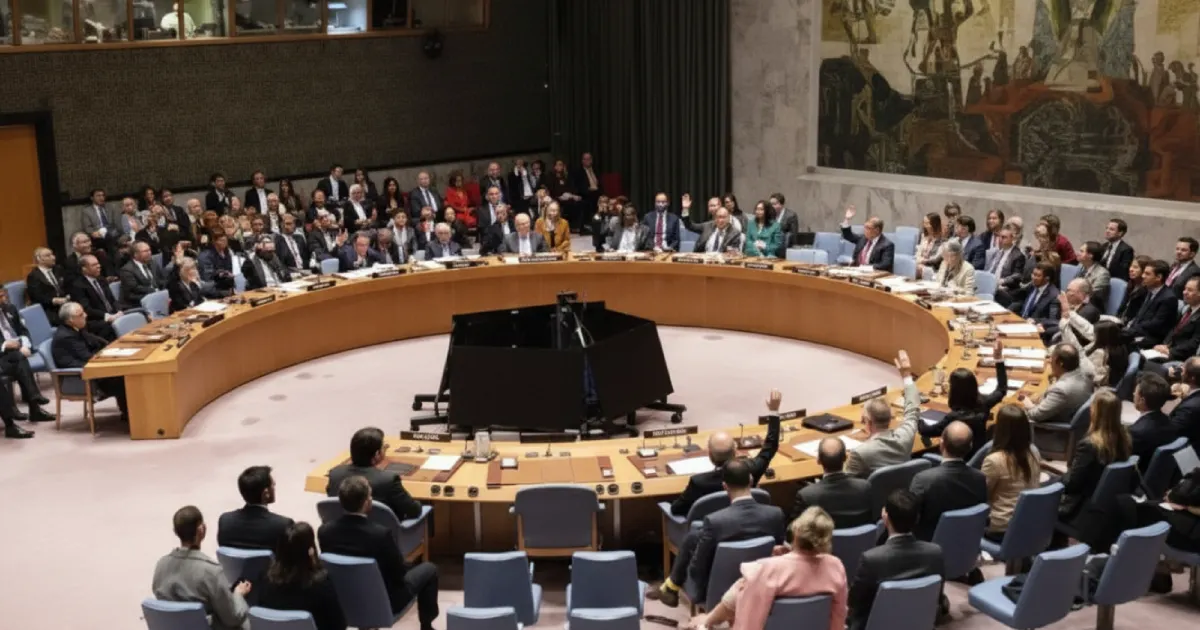
Riyadh, Saudi Arabia, Joint statement of the foreign ministers and senior officials of the Gulf Cooperation Council (GCC), Arab League, and Organisation of Islamic Cooperation (OIC) after a ministerial consultative meeting took place. The agenda in the meeting concerned recent Iranian military attacks that have influenced the security of the region in the current dispute between Iran, Israel, and the United States.
The representatives of Arab and Islamic countries joined the delegations of GCC states, including Saudi Arabia, United Arab Emirates, Qatar, Kuwait, Bahrain, and Oman, to develop a set of actions in response to the situation. Their pronouncement was a grave concern regarding the Iranian attacks and the dangers to the lives of the civilians, infrastructure, and the security of the region.
Main Points of the Joint Statement
The ministers were strongly against the attacks, terming them as violations of international law and a threat to peace in the region. They called on Iran to put an end to the military action and begin diplomatic talks to avert further escalation.
Authorities stressed the role of international humanitarian values and evading activities that might pull the rest of the Middle East into the conflict. They emphasized that the security of the Gulf and Arab states is a collective responsibility and that a common effort should be made on the same.
Call for Stability and Dialogue
The statement denounced the attacks and, at the same time, called upon dialogue and restraint. Ministers urged all conflict parties to go back to negotiation and seek peaceful solutions. The statement was also an expression of concern regarding the overall effect of the crisis in energy markets, trade routes, and humanitarian situations in the area. The result represents a broad allegiance of the concerned states to forestall a bigger regional war as they protect their sovereignty and security.
Civilian Protection and International Law
The statement promoted respect for international law, protection of civilians, and security of vital infrastructure. Ministers showed their unity with those who are affected and requested immediate action to be taken to stop violence, including humanitarian aid where necessary.
The statement is neither overtly political by itself nor does it forego strongly condemning the political circumstances, but rather focuses on a clear message that a peaceful solution is the best way to avoid destabilization.
Regional Cooperation for Long-term Security
In conclusion, GCC, Arab, and Islamic representatives reaffirmed their commitment to work together through diplomatic channels to address the crisis. The ministers were also willing to collaborate on the international level in order to assist in de-escalation and long-term security in the region.
The meeting underscored the commitment of GCC, Arab, and Islamic nations to work together in addressing regional crises and promoting long-term stability. Through coordinated diplomatic efforts, these countries aim to prevent further escalation and protect civilian populations, while sharing timely information and analysis. Platforms such as arab updates play a key role in keeping leaders and the public informed, helping guide decisions that strengthen regional security and cooperation.