A stern threat was delivered by Saudi Arabia to Iran, saying there will be serious consequences if Iran continues threatening or attacking energy facilities in the Gulf. The alert is issued with the increase in tension associated with the existing fight between Iran, Israel, and the United States.
Tensions Rise After Attacks
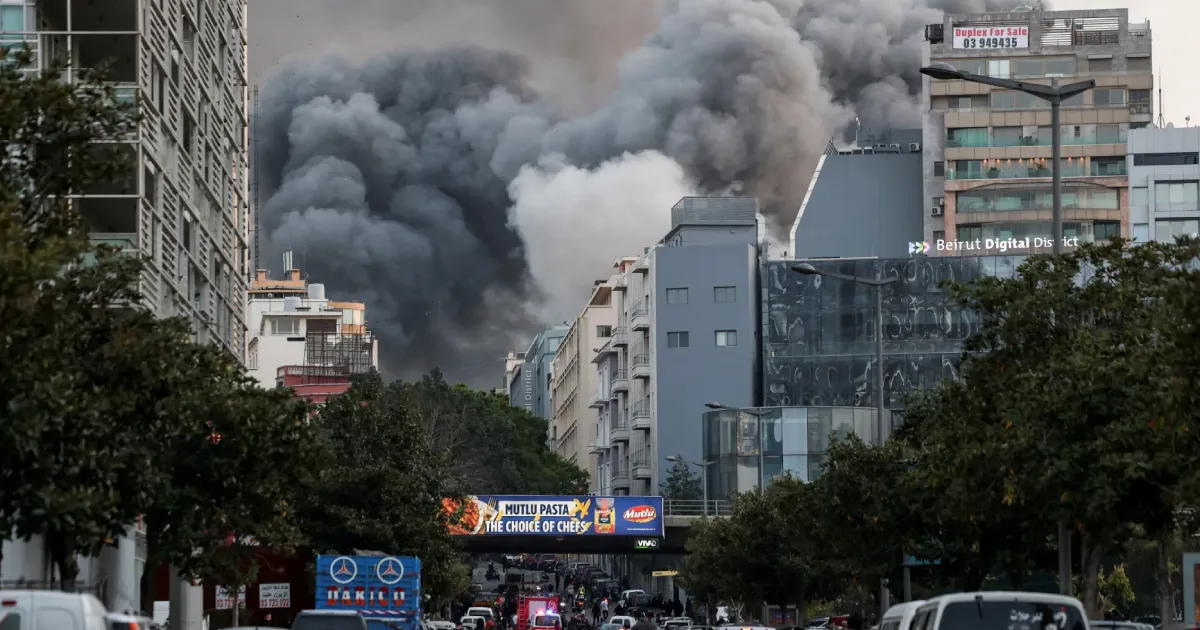
This war intensified when armed attacks were directed at the Iranian gas and energy infrastructure. Iran, in turn, has sworn to strike refineries and pipelines in the Gulf countries, including Saudi Arabia. These threats have provided a high-alert level in the region and more worries on the stability of the region.
Saudi Arabia’s Response
The Kingdom, Saudi officials have said, has the right to retaliate through military response in case Iran carries on its attacks. The alert highlights the efforts by Saudi Arabia to ensure its energy infrastructure, such as large refineries and pipelines, is not subjected to any further threats.
Impact on Energy and Security
This has impacted energy operations in the region. Refineries have already been put on high alert and security around energy facilities of importance has been enhanced. The attacks and threats have also been contributing to the increasing oil and gas prices and uncertainty in the international energy markets.
Regional Implications
The ongoing conflict has caused oil and gas prices to rise sharply as shipping through major routes like the Strait of Hormuz becomes risky. The world energy markets are closely monitoring the developments, with the interruptions to the Saudi and Iranian exports impacting the supply and investor confidence in the world markets.
Looking Ahead
The Saudi and Iranian countries remain on a tense path, with both countries exchanging warnings. Analysts are concerned that any other form of attack might lead to confrontation, and so, the upcoming period is critical to the stability of the region.
For ongoing coverage of Middle East developments and regional security, follow Arab Updates