Rising Tension in a Major Global Waterway
The Strait of Hormuz has been in the spotlight as the tension keeps on escalating because of the ongoing clash between Iran, Israel, and the United States. It is one of the most valuable channels of global energy delivery, and a significant portion of the world’s oil flow is subjected to it daily.
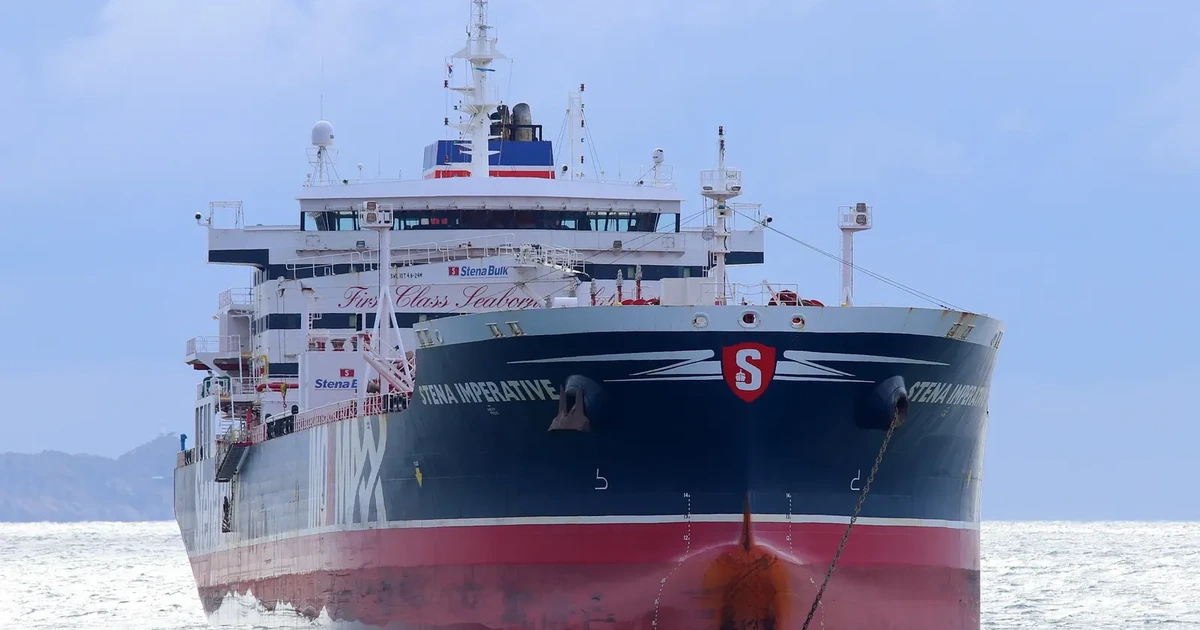
The situation in the Strait is becoming even more unstable since the beginning of the war intensification in early 2026. It has been reported that ship security, such as attacks and possible mining of the waters, has rendered navigation very dangerous for commercial ships. Consequently, this has made the region very hazardous when it comes to maritime activities.
Oman Steps Forward with Diplomatic Action
Oman has been on the frontline in attempting to defuse the tension in the region and restore stability in the area in reaction to the crisis. According to the officials, efforts have been hard to get safe passage to ships passing through the Strait of Hormuz.
Oman is known as a long-standing neutral country that tends not to interfere in the conflicts of the region. It has already been used to facilitate communication between Iran and Western countries. Diplomacy is being deployed by Oman once again in the present scenario to promote peace and keep the important shipping routes open.
Impact on World Oil and Trade
Any disturbance in the Strait of Hormuz has already begun influencing world markets. The price of oil has been very volatile as there is no certainty about the supply and routes. Given that much of the oil exports rely on this passage, any disruption causes an immediate strain on the global energy markets.
The shipping companies are also experiencing greater challenges. Several ships are not using the route because they are afraid it is not safe, and insurance premiums for the few that still use the region have increased exponentially. Some companies are also opting to take longer alternative routes, which are increasing the cost of transportation and causing delays during delivery.
Increasing Military Presence and Hazards
There is also an observable rise in the military operations in and around the Strait of Hormuz due to the conflict. The United States has also intensified its presence in the region, and Iran has threatened and shown that it can cause havoc to the maritime traffic. Missile attacks, naval clashes, and threats to both military and commercial vessels have been reported. This has cast doubts on an expansion of a regional conflict that has the potential of involving more states and disrupting the Middle East even more.
Despite these dangers, there are increasing calls by international bodies to restrain and seek diplomatic solutions. Most countries are pleading with all parties to shun any acts that may further escalate the situation.
Uncertain Future for the Region
Although there is still a debate and diplomatic talks, the future of the Strait of Hormuz is still unknown. There has not been a definite solution, and the tensions are still high. The mediation of Oman is regarded as a crucial aspect at this point. Its attempts at guaranteeing the safe passage of ships and minimizing the conflict may take a significant role in stabilizing the situation. Nevertheless, the future peace will rely on mutual collaboration and goodwill on the part of all.
In a rapidly changing global environment, staying updated through trusted platforms like Arab Updates helps readers understand important international developments with clarity.