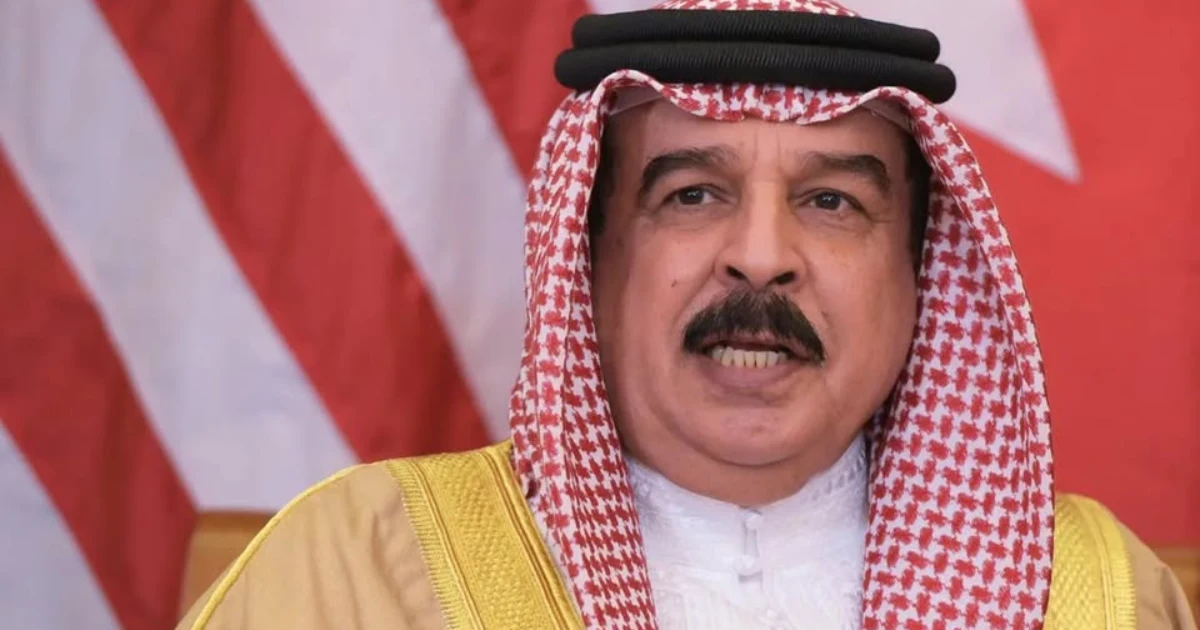
The Cabinet of the Kingdom of Bahrain has strongly criticized the recent military interventions by the Iranian forces that have hit Bahraini soil as the conflict between Iran and Israel and the United States continues.
The Iranian attacks that have involved missiles and drones attacking both military and civilian locations in Bahrain were characterised by the government to be a gross compromise of the sovereignty and territorial integrity of Bahrain. The officials stressed that these measures are a step of increasing tension in the region and a danger to the stability in the Gulf.
Escalation of Attacks on Bahrain
The Iranian military activity over the past few weeks has entailed several missile and drone attacks on targets within the borders of Bahrain, such as residential areas, energy infrastructure, and the U.S. neighborhood. Manama Fifth Fleet head office. The authorities in Bahrain claimed that civilians were injured and infrastructure was destroyed due to these strikes.
Most of these airborne threats have been intercepted by the Bahraini air defence system and defence officials have been pointing out the importance of the use of air defence units in saving lives and reducing devastation.
Government Response and Position
The Cabinet wrote in an official communique that the unilateral military aggression against Bahrain is intolerable and that the kingdom has the right to protect its people and territory. Bahrain too asked the international actors and organisations to denounce the attacks and seek to de-escalate the conflict. The statement emphasized that Bahrain was bound to the international law and that it needed to be more diplomatic in its approach to avoiding further aggression in the region.
With such developments, Bahrain remains in consultation with other partners and allies in the region to guarantee the security of its citizens, safeguard important infrastructure and national security.
Keeping you informed with reliable regional developments, Arab Updates shines a light on the latest authoritative perspectives from across the Middle East